
Manufacturing industries are constantly working to improve product quality, reduce variation, and achieve greater operational efficiency. In applications where extremely small dimensional deviations can affect performance, Precision Micron Components become essential. These components are manufactured with exceptionally tight tolerances and are commonly used in industries where accuracy is a critical requirement rather than an added advantage.
For engineering companies in Pune and Maharashtra, understanding when precision micron components are necessary can help improve production reliability while reducing costly manufacturing issues.
What Are Precision Micron Components?
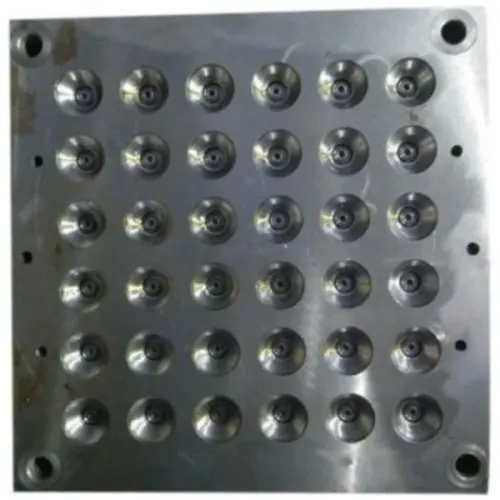
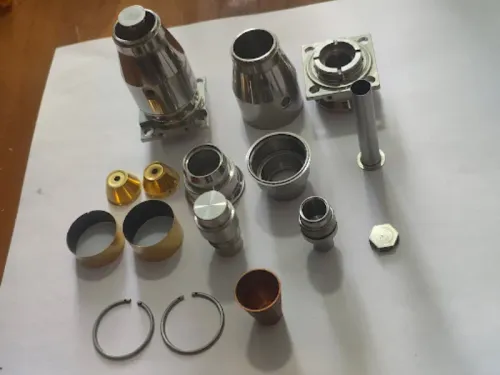
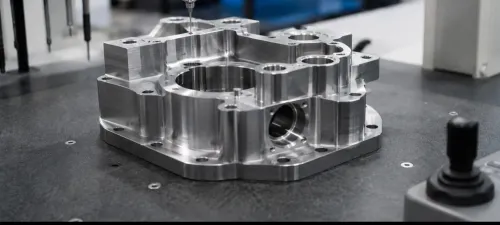
Precision micron components are engineered parts manufactured within micron-level tolerances. These components require advanced machining technologies, strict inspection procedures, and controlled manufacturing environments to achieve the desired accuracy.
They are commonly used in:
- Aerospace systems
- Automotive assemblies
- Medical equipment
- Industrial automation
- Defence applications
- Precision instruments
- Robotics
- Semiconductor equipment
Their primary purpose is to ensure consistent fit, alignment, and operational performance.
Common Signs Precision Components Are Needed
Many manufacturers continue using conventional components until recurring production problems begin affecting efficiency.
Some common indicators include:
Frequent Assembly Misalignment
If parts fail to fit together consistently, dimensional variations may be exceeding acceptable limits.
High Rejection Rates
Repeated inspection failures often indicate that greater manufacturing precision is required.
Excessive Machine Wear
Poorly matched components can create unnecessary friction and increase equipment maintenance.
Inconsistent Product Performance
Products that behave differently despite identical production processes may require tighter manufacturing tolerances.
Increasing Customer Quality Requirements
Industries such as aerospace and defence frequently introduce stricter dimensional specifications that standard machining may not satisfy.
Benefits of Micron-Level Manufacturing
Precision components contribute to improved manufacturing performance in several ways.
- Better dimensional consistency
- Improved assembly accuracy
- Reduced product variation
- Longer equipment life
- Enhanced operational reliability
- Lower rework costs
- Improved customer confidence
These advantages become especially important in industries producing safety-critical or high-value products.
Selecting the Right Manufacturing Partner
Not every machine shop specializes in micron-level precision.
Before selecting a supplier, manufacturers should verify:
- CNC machining capability
- Precision inspection equipment
- Quality management systems
- Material expertise
- Process repeatability
- Experience with high-precision industries
Evaluating these capabilities helps reduce quality risks throughout production.
Precision Engineering in Pune
Pune continues to strengthen its reputation as a centre for advanced manufacturing and precision engineering. Businesses across automotive, industrial automation, aerospace, and defence sectors increasingly rely on precision component manufacturers capable of maintaining extremely tight tolerances.
Engineering companies such as Excellent Tools support these industries through customized precision manufacturing and advanced machining solutions designed to meet demanding industrial specifications.
Final Thoughts
Precision micron components are not necessary for every manufacturing application, but they become indispensable when quality, reliability, and repeatability are critical. Recognizing the need for higher precision early allows manufacturers to improve production efficiency, reduce operational costs, and meet increasingly demanding customer expectations without compromising product performance.
Keywords