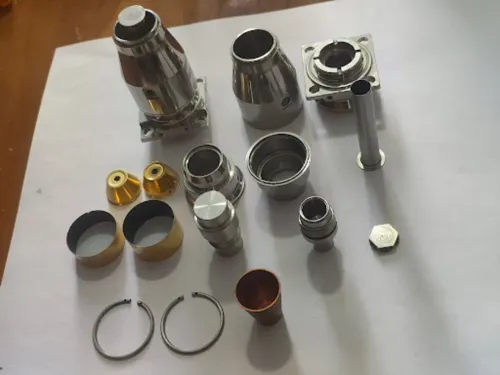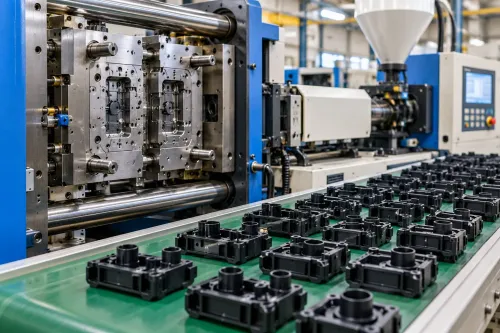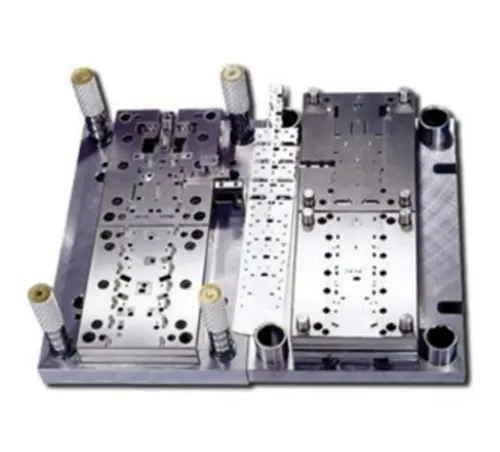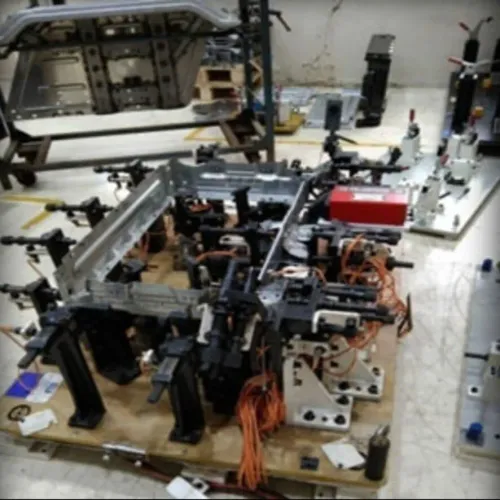
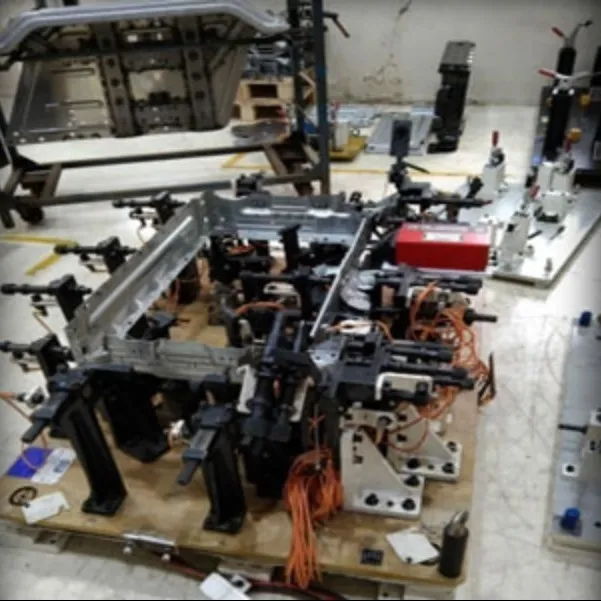
In precision manufacturing, even the most advanced CNC machines cannot consistently produce quality components without proper work-holding solutions. Jig and Fixtures play an essential role in positioning, locating, and securing workpieces during machining, welding, assembly, and inspection processes. They help manufacturers maintain accuracy while improving productivity across repetitive production cycles.
For industries such as automotive, aerospace, defence, and industrial automation in Pune, well-designed jigs and fixtures remain one of the most valuable investments for improving manufacturing efficiency.
Understanding Their Role in Manufacturing
Although the terms are often used together, each serves a different function.
A jig guides the cutting tool while holding the workpiece in the correct position.
A fixture securely holds the workpiece but does not guide the tool. It ensures stability throughout the manufacturing operation.
Together, they help achieve repeatable production results with minimal variation.
Benefits of Precision-Designed Jigs and Fixtures
Custom tooling provides several operational advantages that directly influence production performance.
Better Dimensional Accuracy
Consistent positioning reduces measurement errors and improves finished component quality.
Reduced Setup Time
Operators spend less time aligning workpieces, allowing production to begin more quickly.
Higher Productivity
Stable work-holding enables faster machining and shorter production cycles.
Lower Rejection Rates
Accurate positioning minimizes manufacturing defects caused by improper alignment.
Improved Workplace Safety
Properly engineered fixtures reduce unnecessary movement and improve operator confidence during production.
Applications Across Industries
Precision jigs and fixtures are widely used for:
- CNC machining
- Welding operations
- Assembly processes
- Inspection activities
- Drilling applications
- Milling operations
- Robotic automation
- Quality testing
Each application requires tooling that is specifically designed for the production process.
Selecting the Right Engineering Partner
When choosing a manufacturer, businesses should evaluate:
- Design capability
- Precision machining infrastructure
- Inspection equipment
- Material selection expertise
- Experience with customized tooling
- Ability to support future design changes
Working with an engineering partner rather than simply a machining supplier often results in better tooling performance.
Why Custom Tooling Delivers Better Results
Standard fixtures may suit general applications, but customized tooling is designed around actual production requirements. Factors such as workpiece geometry, production volume, machining sequence, and operator accessibility all influence the final design.
Companies like Excellent Tools develop customized jigs and fixtures that support precision manufacturing while helping customers improve consistency across complex production environments.
Final Thoughts
High-quality jigs and fixtures form the foundation of reliable manufacturing. By improving positioning accuracy, reducing production variation, and supporting efficient operations, they contribute directly to higher product quality and lower operating costs. Manufacturers that invest in well-designed tooling are better positioned to achieve consistent long-term production performance.
Keywords