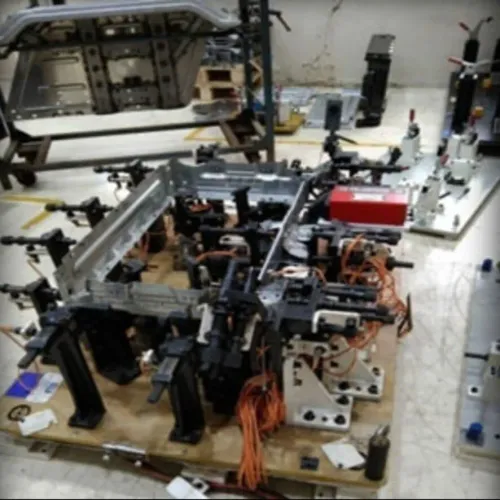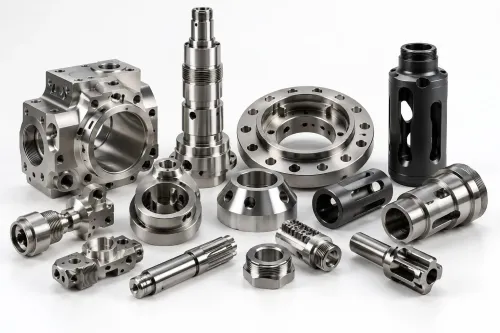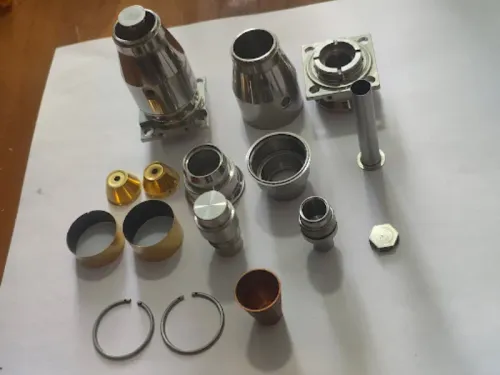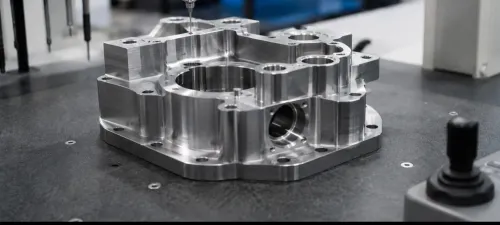
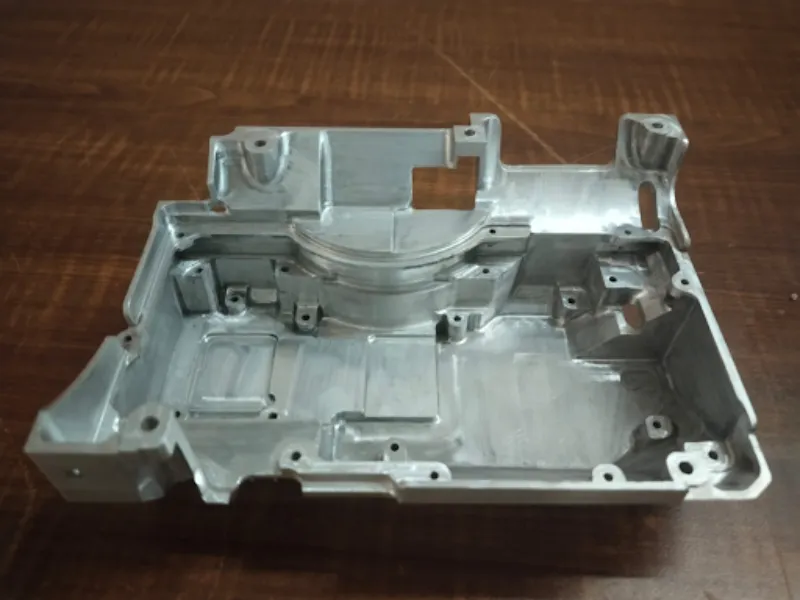
Manufacturing is evolving rapidly with increasing demand for higher productivity, improved quality, and greater operational flexibility. Companies that continue relying solely on manual processes may find it difficult to keep pace with changing customer expectations and competitive market conditions. Partnering with an experienced Automation Tools Manufacturer allows businesses to modernize production while preparing for future manufacturing challenges.
Industrial centres such as Pune are witnessing steady growth in smart manufacturing, where automation supports both operational efficiency and sustainable business expansion.
Why Manufacturers Are Investing in Automation
Automation is no longer limited to large production facilities. Businesses of all sizes are adopting automated systems to improve consistency, reduce waste, and enhance overall production performance.
Some common drivers include:
- Rising labour costs
- Increasing production targets
- Demand for better product quality
- Need for improved workplace safety
- Pressure to reduce operational downtime
- Growing customer expectations for faster delivery
Automation helps manufacturers respond to these challenges more effectively.
Areas Where Automation Creates Value
Modern automation solutions support multiple production functions.
Material Handling
Automated movement of components reduces manual effort and improves workflow efficiency.
Assembly Operations
Automated assembly systems improve consistency while reducing production cycle times.
Inspection and Quality Control
Integrated inspection equipment helps identify deviations before products reach the next manufacturing stage.
Machine Loading and Unloading
Automated handling minimizes idle machine time and improves equipment utilization.
Preparing for Future Manufacturing Needs
Businesses planning long-term growth should consider automation that can adapt to changing production requirements.
Key considerations include:
- Scalability for future expansion
- Compatibility with existing equipment
- Ease of maintenance
- Data collection capabilities
- Flexibility for new product lines
- Integration with digital manufacturing systems
Planning for these factors today reduces future upgrade costs.
Choosing the Right Automation Partner
When evaluating automation providers, manufacturers should assess:
- Engineering expertise
- Custom solution capability
- Manufacturing experience
- Precision engineering infrastructure
- Technical support
- Project execution capability
A provider with practical manufacturing knowledge often develops solutions that align more closely with production objectives.
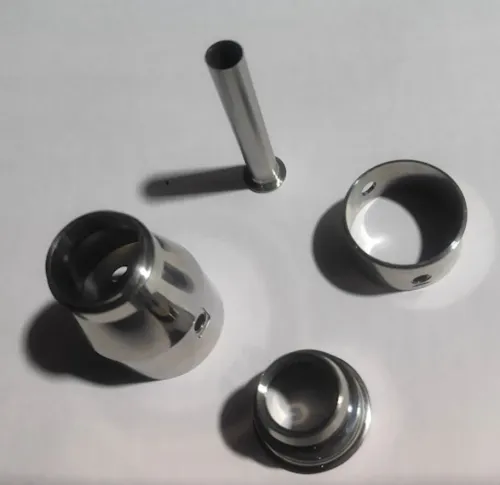
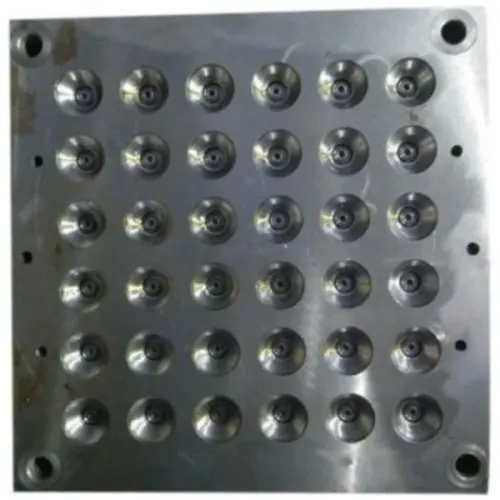
Companies such as Excellent Tools support industries through customized automation systems, precision engineering, tooling development, and industrial manufacturing solutions that address evolving production requirements across automotive, aerospace, and engineering sectors.
Final Thoughts
Future-ready manufacturing depends on continuous improvement rather than one-time investments. Automation enables businesses to increase productivity, improve quality, and respond more effectively to changing market demands. By working with an experienced automation tools manufacturer, companies can build manufacturing systems that remain efficient, adaptable, and competitive for years to come.
Keywords